Swallowed a sock
Dog · surgery to remove it
- Example bill
- Plan could pay
Pet insurance for dogs & cats
Vet bills happen. Pay less when they do.
Compare accident and illness plans in about a minute. Many plans pay back up to 90% of eligible vet costs, at any licensed vet.
Pick a plan setup and see what it could pay back on some very common vet visits.
Dog · surgery to remove it
Dog · CCL surgery
Cat · emergency care & hospital stay
Cat or dog · dental surgery
Dog · exam, tests & meds
Cat or dog · X-rays & fracture repair
Example bills are illustrative and vary by clinic, region and condition. Payouts assume the visit is covered, the full deductible applies, the annual limit isn't reached and waiting periods have passed. A lower deductible or higher reimbursement rate usually means a higher monthly price.
Broken bones, bites, cuts, swallowed objects and other injuries.
Infections, allergies, diabetes, cancer and hereditary conditions on many plans.
ER visits, surgery and overnight hospital stays.
X-rays, ultrasounds, bloodwork and specialist visits.
Many insurers offer a wellness add-on that helps budget for the visits you know are coming.
Usually not covered: pre-existing conditions, cosmetic procedures and breeding costs. Every plan has its own terms, so check the details before you enroll.

Enroll young to lock in coverage before anything becomes pre-existing.
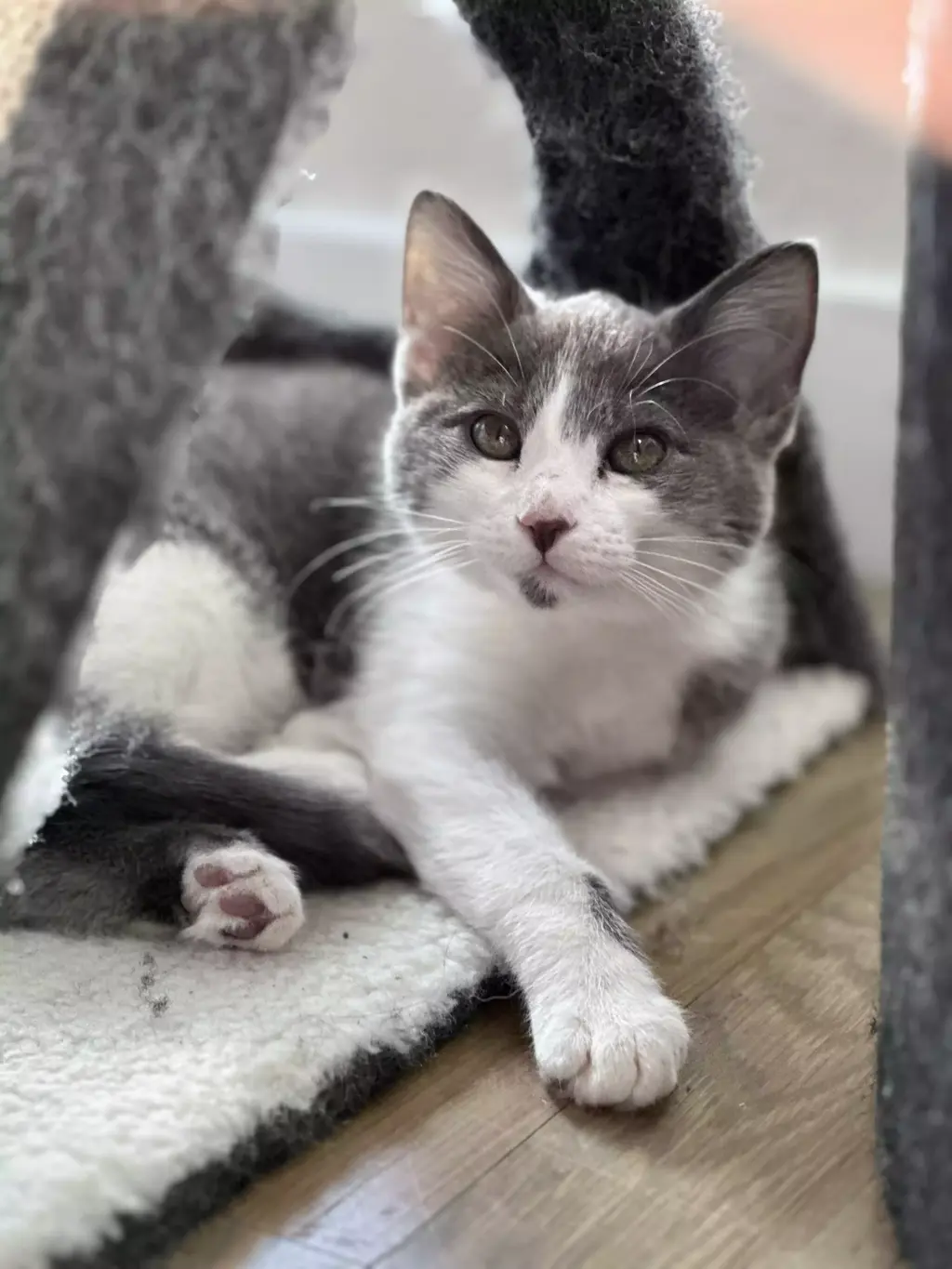
Cats hide when they're sick, so a sudden big bill is common. Cat plans tend to cost less too.
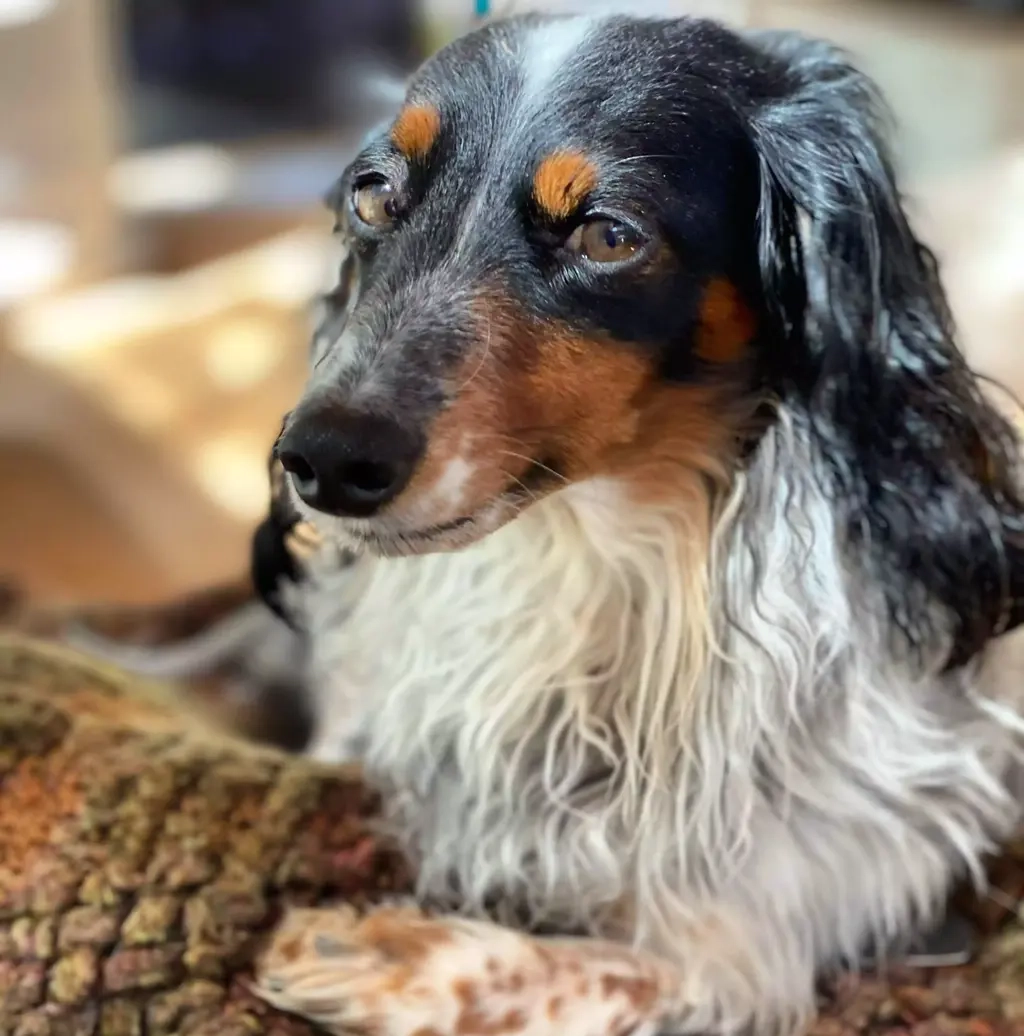
Many insurers cover older pets. Check each plan's enrollment age limits.
Species, age, breed and ZIP code. That's what insurers use to price a plan.
See plans available for your pet and area, then click through for your exact price.
Pick your deductible and reimbursement rate. Coverage starts after the plan's waiting period.
Most pet insurance plans work with any licensed veterinarian in the US, including specialists and emergency hospitals. You pay the vet, submit the claim, and the insurer reimburses you.
Generally no. Conditions that show signs before coverage starts or during the waiting period are usually excluded. Some insurers will cover curable conditions after a symptom-free period. Enrolling while your pet is young and healthy gives you the most coverage.
It's the time between enrolling and when coverage begins. Accident coverage often starts within a few days. Illness coverage commonly starts after about two weeks, and some orthopedic conditions can take longer.
It depends on species, breed, age, location and the plan options you choose. In 2024 the average US accident and illness plan cost about $62 a month for dogs and $32 a month for cats, according to NAPHIA. Raising your deductible or lowering your reimbursement rate brings the price down.
No. Comparing plans here is free and there's no obligation to buy. You only pay if you choose to enroll with an insurer.
Free to compare, no obligation, about a minute.